

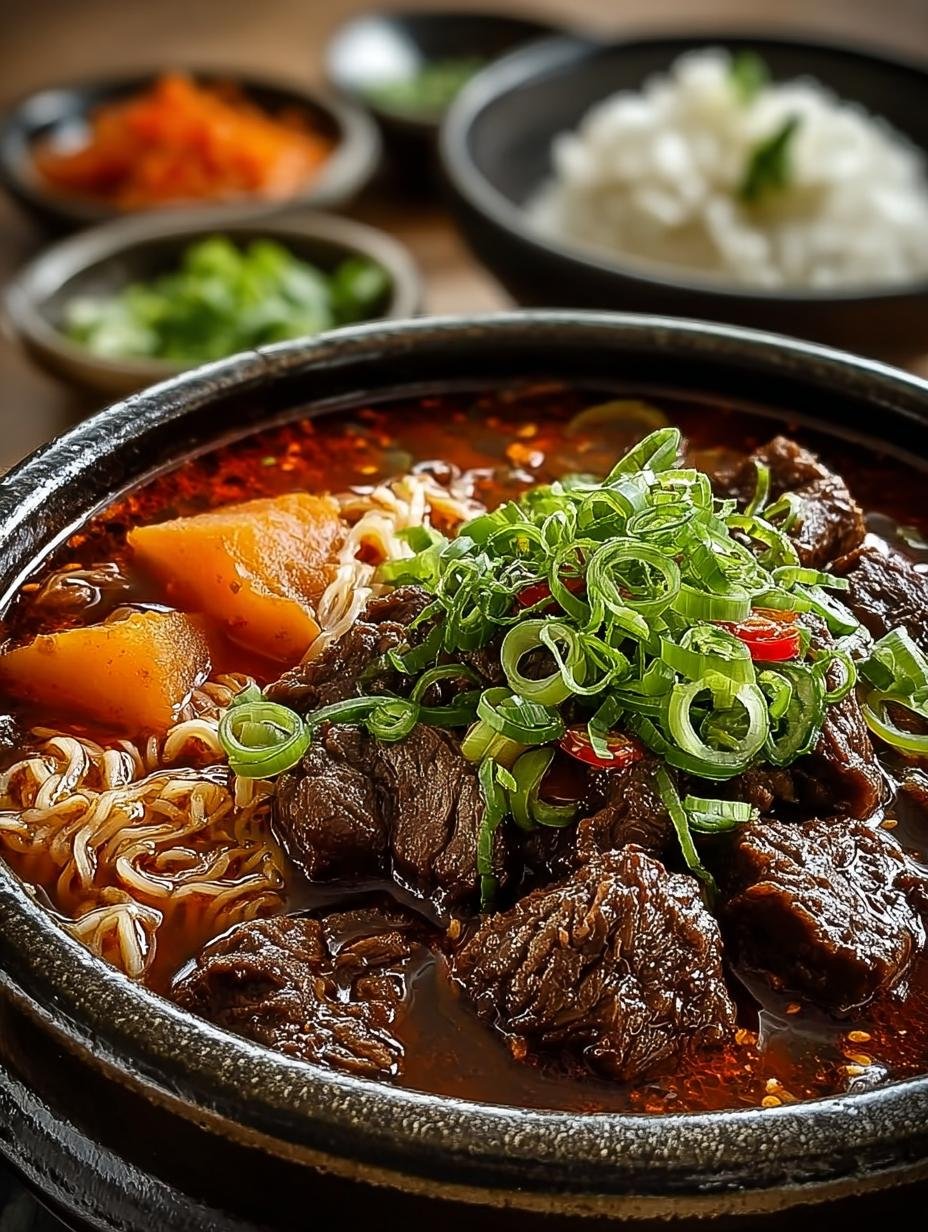
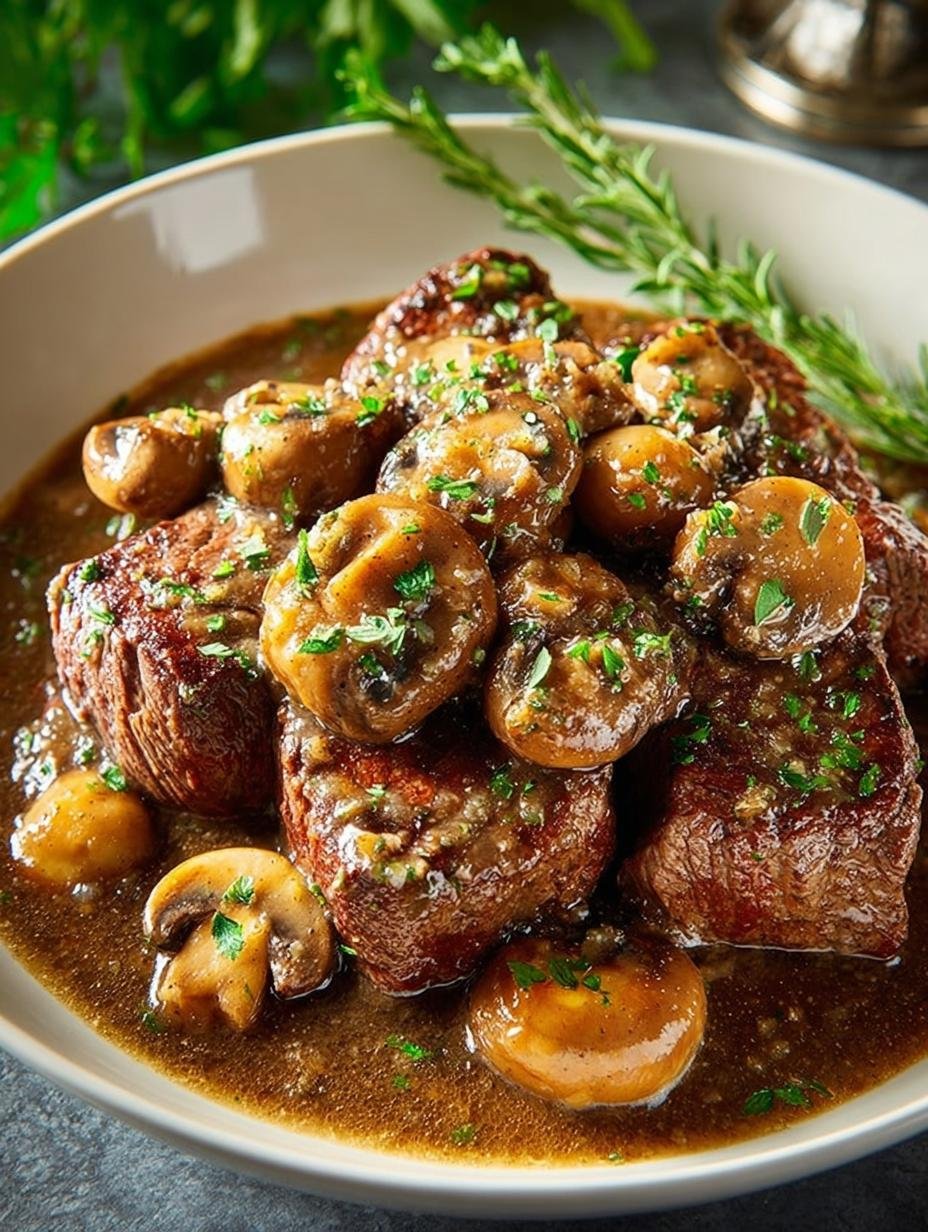
Korean Beef Bulgogi Stew Recipe has become a favorite in my kitchen for its rich flavors and comforting warmth. This dish combines tender beef with vibrant vegetables, all simmered in an umami-rich broth. In under 30 minutes, you can create a wholesome meal that feels like a warm hug on a chilly evening. Let’s dive into this delightful recipe!
Why You’ll Love This Korean Beef Bulgogi Stew Recipe
This Korean Beef Bulgogi Stew Recipe is not only delicious but also incredibly easy to make, perfect for busy weeknights. Here are a few reasons to love it:
- Quick cooking time—ready in under 30 minutes.
- Rich, authentic Korean flavors that warm the soul.
- Perfect balance of tender beef and fresh vegetables.
- Easily customizable for dietary preferences.
- Excellent for meal prep and leftovers.
- Pairs well with rice or noodles for a complete meal.
This stew is a great example of a traditional Korean beef dish, showcasing how simple ingredients can create a hearty meal.
Ingredients for Korean Beef Bulgogi Stew Recipe
Gather these items:
- 1 pound beef chuck, thinly sliced
- 1 onion, diced
- 3 carrots, peeled and sliced
- 4 cloves garlic, minced
- 1 tablespoon grated fresh ginger
- 1/4 cup soy sauce
- 2 tablespoons brown sugar
- 1 tablespoon sesame oil
- 4 cups beef broth
- 2 green onions, sliced
- 1 tablespoon toasted sesame seeds
How to Make Korean Beef Bulgogi Stew Recipe Step-by-Step
- Step 1: In a large pot or Dutch oven, heat 1 tablespoon of oil over medium-high heat.
- Step 2: Add the beef and sear until browned on all sides, about 3-4 minutes. Remove the beef from the pot and set aside.
- Step 3: Add the onion and carrots to the pot and sauté for 5 minutes, until softened.
- Step 4: Stir in the garlic and ginger and cook for 1 minute, until fragrant.
- Step 5: Pour in the soy sauce, brown sugar, and sesame oil. Stir to combine.
- Step 6: Add the beef broth and bring the mixture to a boil.
- Step 7: Reduce the heat to medium-low and let the stew simmer for 15-20 minutes, until the vegetables are tender.
- Step 8: Return the seared beef to the pot and let the stew heat through, about 5 minutes.
- Step 9: Serve the Korean Beef Bulgogi Stew hot, garnished with sliced green onions and toasted sesame seeds.

Pro Tips for the Best Korean Beef Bulgogi Stew Recipe
Keep these in mind:
- Use fresh ingredients for the best flavor.
- Cut the beef against the grain for tenderness.
- For extra depth, consider adding mushrooms or spinach.
- This dish is gluten-free if you use tamari instead of soy sauce.
Best Ways to Serve Korean Beef Bulgogi Stew Recipe
This hearty stew can be served with:
- Steamed white rice or brown rice for a filling meal.
- Noodles, such as udon, for a comforting twist.
- Kimchi on the side for a spicy kick.
How to Store and Reheat Korean Beef Bulgogi Stew Recipe
To store leftovers, allow the stew to cool completely, then transfer to airtight containers. The stew can be refrigerated for up to 3 days. To reheat, simply warm in a pot over medium heat until heated through. This is a fantastic option for meal prep, making it easy to enjoy a quick meal throughout the week.
Frequently Asked Questions About Korean Beef Bulgogi Stew Recipe
What is Korean beef bulgogi stew?
Korean beef bulgogi stew is a comforting dish that features thinly sliced marinated beef, vegetables, and a savory broth, embodying authentic Korean flavors.
Can I make Korean beef bulgogi stew ahead of time?
Absolutely! This stew can be made a day in advance. Just reheat it on the stove before serving, and it will taste even better as the flavors meld together.
How do I avoid common mistakes with Korean beef bulgogi stew?
To avoid common pitfalls, ensure your beef is sliced thinly and not overcrowding the pot when searing, which can lead to steaming instead of browning.
Variations of Korean Beef Bulgogi Stew Recipe You Can Try
Here are a few fun variations to mix things up:
- Add potatoes for a heartier stew.
- Incorporate different vegetables like zucchini or bell peppers.
- Try using a slow cooker for a hands-off approach to this delicious dish.
With these simple adjustments, you can make this spicy Korean beef stew recipe your own! Enjoy the authentic Korean bulgogi flavors, and let your creativity shine in the kitchen.
For more delicious recipes, check out our Slow Cooker Tuscan Chicken Meatballs or Creamy Spinach Cheese Lasagna. You can also explore Vegetable Lentil Soup for a hearty vegetarian option.
Print
Korean Beef Bulgogi Stew Recipe: 5 Reasons to Love It
- Total Time: 45 minutes
- Yield: 4 servings 1x
- Diet: Gluten Free
Description
Discover the perfect Korean Beef Bulgogi Stew – a quick, flavorful dish that’s ready in under 30 minutes.
Ingredients
- 1 pound beef chuck, thinly sliced
- 1 onion, diced
- 3 carrots, peeled and sliced
- 4 cloves garlic, minced
- 1 tablespoon grated fresh ginger
- 1/4 cup soy sauce
- 2 tablespoons brown sugar
- 1 tablespoon sesame oil
- 4 cups beef broth
- 2 green onions, sliced
- 1 tablespoon toasted sesame seeds
Instructions
- In a large pot or Dutch oven, heat 1 tablespoon of oil over medium-high heat.
- Add the beef and sear until browned on all sides, about 3-4 minutes. Remove the beef from the pot and set aside.
- Add the onion and carrots to the pot and sauté for 5 minutes, until softened.
- Stir in the garlic and ginger and cook for 1 minute, until fragrant.
- Pour in the soy sauce, brown sugar, and sesame oil. Stir to combine.
- Add the beef broth and bring the mixture to a boil.
- Reduce the heat to medium-low and let the stew simmer for 15-20 minutes, until the vegetables are tender.
- Return the seared beef to the pot and let the stew heat through, about 5 minutes.
- Serve the Korean Beef Bulgogi Stew hot, garnished with sliced green onions and toasted sesame seeds.
Notes
- Prep Time: 15 minutes
- Cook Time: 30 minutes
- Category: Stew
- Method: Stovetop
- Cuisine: Korean
Nutrition
- Serving Size: 1 bowl
- Calories: 350
- Sugar: 5g
- Sodium: 800mg
- Fat: 15g
- Saturated Fat: 4g
- Unsaturated Fat: 8g
- Trans Fat: 0g
- Carbohydrates: 30g
- Fiber: 3g
- Protein: 25g
- Cholesterol: 70mg






Leave a Reply