

Vegetable Dum Biryani has always felt like a special occasion dish to me, something I’d only dream of ordering at a fancy restaurant. That changed when I discovered the magic of the ‘dum’ cooking method at home. It’s this incredible technique of slow-steaming that seals in all the aromatic spices and tender, vibrant vegetables, creating a truly unforgettable meal. The scent of cardamom, saffron, and slow-cooked onions filling my kitchen is pure bliss, and it’s surprisingly achievable! If you’re looking to make an authentic vegetable dum biryani that tastes just like the real deal, you’ve come to the right place. Let’s get cooking!
What is Vegetable Dum Biryani?
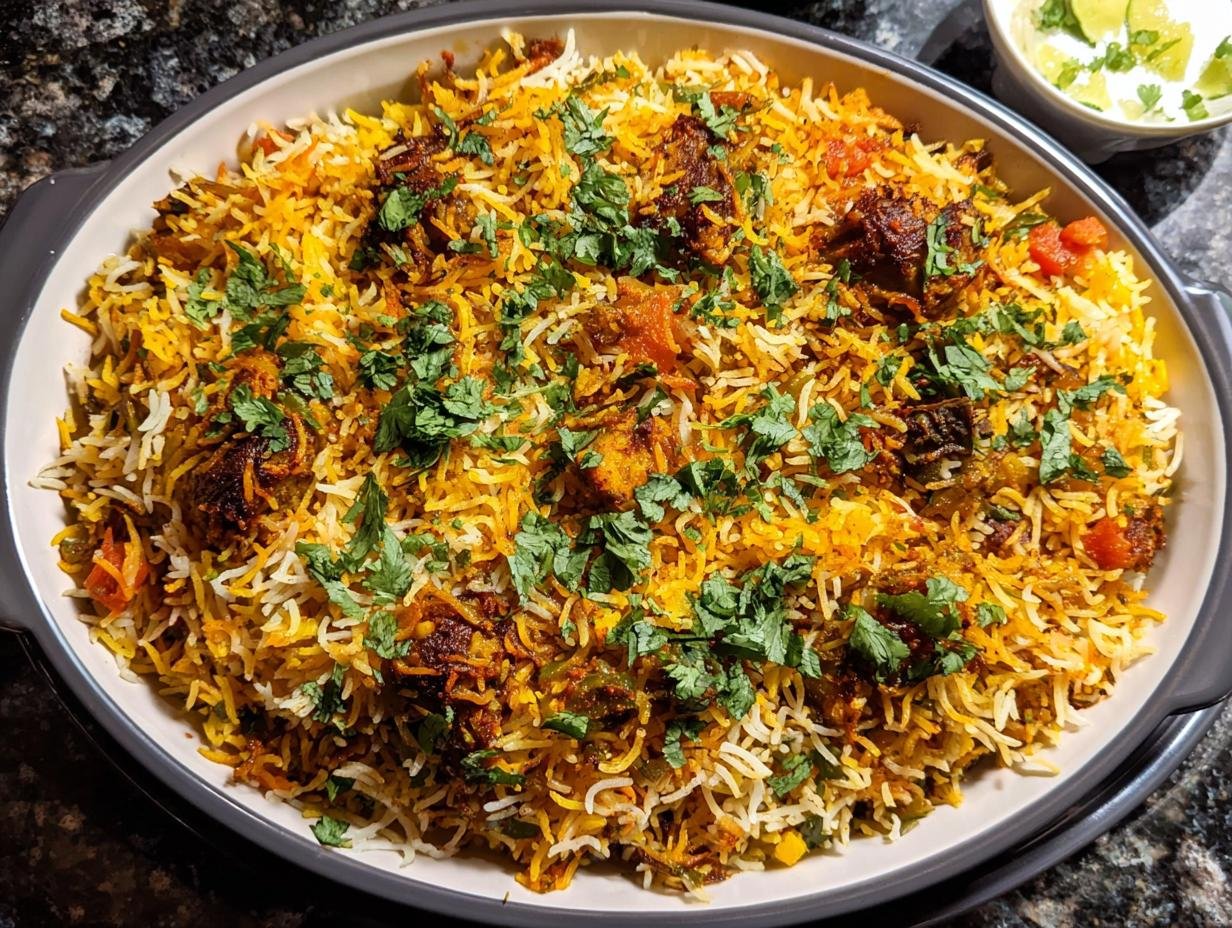
So, what exactly is Vegetable Dum Biryani? At its heart, it’s a magnificent Indian rice dish featuring layers of fragrant basmati rice and spiced vegetables, all cooked together using the traditional ‘dum’ method. This isn’t just any biryani; it’s a Vegetable Biryani Dum Style preparation that originated in the royal kitchens of the Mughal Empire. The term ‘dum’ means ‘breathe’ or ‘steam,’ and it refers to the slow-cooking process where the pot is sealed tightly—traditionally with dough—to allow the ingredients to cook in their own steam. This technique locks in moisture and infuses every grain of rice and piece of vegetable with the most incredible aromatic spices, making it a truly special vegetarian meal.
Why You’ll Love This Vegetable Dum Biryani
Get ready to fall in love with this incredible dish. Here’s why it’s a winner:
- Incredibly Flavorful: A symphony of spices and aromatics creates a truly flavorful vegetable dum biryani.
- Restaurant-Quality Taste: Achieve that authentic, delicious taste right in your own kitchen.
- Simple Layering Process: The easy vegetable dum biryani approach makes it accessible for home cooks.
- Perfectly Tender Vegetables: The ‘dum’ method ensures all your veggies are cooked to tender perfection.
- Aromatic Basmati Rice: Each grain is infused with fragrant spices and saffron.
- Visually Stunning: The vibrant colors and distinct layers make it a feast for the eyes.
- Impress Your Guests: Serve this showstopper for any occasion.
- Satisfyingly Vegetarian: A hearty and filling main course for meat-free meals.
Ingredients for Authentic Vegetable Dum Biryani
Gathering the right Vegetable Dum Biryani Ingredients is key to unlocking that amazing flavor. I always make sure my basmati rice is aged for the best texture, and I love using a mix of colorful vegetables like carrots, peas, beans, and potatoes for a beautiful presentation. The yogurt marinade is where the magic starts, tenderizing the veggies and infusing them with spices. Don’t skimp on the fresh mint and coriander; they add such a wonderful freshness! And of course, a good quality Vegetable Dum Biryani Masala is essential for that authentic taste.
- 2 cups basmati rice – aged basmati is best for fluffy grains
- 3 cups mixed vegetables (carrots, peas, beans, potatoes), cut into medium pieces
- 1 cup plain yogurt – full-fat for creaminess
- 2 tablespoons ginger garlic paste – fresh is always superior
- 1 teaspoon red chili powder – adjust to your spice preference
- 1/2 teaspoon turmeric powder – for color and earthy notes
- 2 tablespoons biryani masala – a good quality blend is crucial
- 2 large onions, thinly sliced – for frying
- 4 tablespoons ghee or clarified butter – for rich flavor
- 1/2 cup fresh mint leaves, chopped – adds a cooling aroma
- 1/2 cup coriander leaves, chopped – for fresh, herbaceous notes
- Saffron strands soaked in 1/4 cup warm milk – provides color and a delicate perfume
- 4-5 green cardamom pods
- 2 bay leaves
- 1 inch cinnamon stick
- 1 teaspoon cumin seeds
- Salt, to taste
How to Make Vegetable Dum Biryani
Making this Vegetable Dum Biryani is a journey of layering flavors and aromas, and I promise it’s worth every moment. The ‘dum’ cooking method ensures everything steams together beautifully, creating a dish that’s incredibly fragrant and tender. Let’s get started on these Vegetable Dum Biryani Cooking Steps!
- Step 1: Preparing the Rice
First, we need to get our basmati rice ready. Rinse it under cold water until the water runs clear – this removes excess starch and keeps the grains separate. Then, soak the rice in water for about 30 minutes. While that’s happening, bring a large pot of water to a boil and add your whole spices like cardamom, bay leaves, cinnamon, and cumin seeds, along with a good pinch of salt. Once boiling, add the soaked rice and cook it until it’s about 70% done. You want it tender but still with a slight bite. Drain it carefully and set it aside.
- Step 2: Marinating the Vegetables
Now for the veggies! Cut your mixed vegetables into nice, bite-sized pieces so they cook evenly. In a large bowl, combine the plain yogurt, ginger garlic paste, red chili powder, turmeric powder, and your biryani masala. Give it a good stir to make a smooth paste. Add your prepared vegetables to this marinade and toss everything gently until the vegetables are well-coated. Let them marinate for at least 20 minutes – this is where all that amazing flavor really starts to build.
- Step 3: Layering and Cooking
Time to assemble! Heat the ghee in a heavy-bottomed pot over medium heat. Add your thinly sliced onions and fry them until they’re beautifully golden brown and crispy. Reserve a few tablespoons of these fried onions for garnish later. Now, add the marinated vegetables to the pot with the remaining fried onions and sauté them for about 8-10 minutes until they’re slightly tender. Carefully layer the partially cooked rice over the vegetable mixture. Sprinkle the reserved fried onions, chopped mint, coriander, and the saffron milk evenly over the rice. Cover the pot tightly with aluminum foil, then place the lid securely on top. Cook on high heat for 3-4 minutes until you hear steam escaping, then reduce the heat to low and let it cook undisturbed for 45 minutes. Once done, turn off the heat and let it rest for another 10 minutes before gently fluffing and serving.
Pro Tips for the Best Vegetable Dum Biryani
Achieving that perfect, aromatic Vegetable Dum Biryani is all about a few key techniques. These tips have been game-changers for me:
- Use aged basmati rice; it holds its shape and texture beautifully during the slow steam.
- Don’t overcook the rice initially! Aim for 70% cooked, as it will finish cooking during the ‘dum’ process.
- Ensure your pot is heavy-bottomed for even heat distribution, preventing scorching.
- Seal the pot *really* well with foil and a tight lid. This is crucial for the ‘dum’ method to work its magic.
What’s the secret to perfect Vegetable Dum Biryani?
The absolute secret to a perfect Best Vegetable Dum Biryani lies in the ‘dum’ cooking method itself. It’s the slow, sealed steaming that allows the flavors to meld together beautifully, making every bite incredibly aromatic and the vegetables perfectly tender without becoming mushy.
Can I make Vegetable Dum Biryani ahead of time?
Yes, you can! You can prepare the marinated vegetables and par-cook the rice a day in advance. Store them separately in airtight containers in the refrigerator. Layer and cook the biryani just before serving for the freshest taste and aroma.
How do I avoid common mistakes with Vegetable Dum Biryani?
A common pitfall is overcooking the rice initially; always stop at 70%. Another is not sealing the pot properly, which prevents the ‘dum’ from working. Also, be sure to use a heavy-bottomed pot to prevent burning the bottom layer.
Best Ways to Serve Flavorful Vegetable Dum Biryani
This exquisite Vegetable Dum Biryani is a star on its own, but it truly shines when paired with the right accompaniments. I love serving it piping hot, gently mixed so you get a bit of everything in each spoonful. A dollop of cooling raita, made with yogurt, cucumber, and a hint of mint, is the perfect counterpoint to the biryani’s warmth and spice. You can also serve it with a simple side of kachumber salad – a refreshing mix of chopped tomatoes, onions, and cucumbers with a squeeze of lemon. For a truly authentic experience, a side of plain yogurt or a mild dal complements the rich flavors beautifully.
Nutrition Facts for Vegetable Dum Biryani
This recipe offers a delightful and satisfying meal. Here’s a breakdown of the approximate nutritional content per serving:
- Calories: Approx. 450-550 kcal
- Fat: Approx. 15-25g
- Saturated Fat: Approx. 5-10g
- Protein: Approx. 10-15g
- Carbohydrates: Approx. 60-80g
- Fiber: Approx. 5-8g
- Sugar: Approx. 5-8g
- Sodium: Approx. 300-500mg
Nutritional values are estimates and may vary based on specific ingredients used.

How to Store and Reheat Vegetable Dum Biryani
Once your delicious Vegetable Dum Biryani has cooled down a bit, proper storage is key to enjoying its flavors later. I always let it cool completely at room temperature, which usually takes about an hour. Then, I transfer any leftovers into airtight containers. You can keep your homemade vegetable dum biryani in the refrigerator for about 3 to 4 days. If you want to store it for longer, freezing is a great option! Wrap individual portions tightly in plastic wrap, then in foil, and they should keep well in the freezer for up to 3 months. When you’re ready to reheat, the best way to revive that wonderful aroma is in a saucepan over low heat with a splash of water, or gently in the microwave. This ensures your biryani stays moist and flavorful, just like when it was freshly made.
Variations of Vegetable Dum Biryani You Can Try
While this recipe for Vegetable Dum Biryani is absolutely wonderful, there are so many delicious ways to adapt it! If you’re looking for something different, consider a fully vegan version by swapping the yogurt and ghee for plant-based alternatives; it’s a fantastic Vegetarian Dum Biryani option. For those who love a bit more heat, you can amp up the spice level by adding more red chili powder or a pinch of cayenne to the marinade to create a truly Spicy Vegetable Dum Biryani. You could also experiment with different vegetables like paneer cubes, mushrooms, or even jackfruit for a unique twist. Another idea is to try a quicker cooking method, like pressure cooking, though it won’t quite achieve the same deep flavor infusion as the traditional ‘dum’ style.
Frequently Asked Questions About Vegetable Dum Biryani
Is Vegetable Dum Biryani difficult to make?
Not at all! While it might seem intimidating, this Easy Vegetable Dum Biryani is quite straightforward. The layering and ‘dum’ cooking process are simple once you get the hang of it. The key is preparing your ingredients well beforehand.
Can I use pre-made biryani masala for this recipe?
Absolutely! Using a good quality pre-made biryani masala is a fantastic shortcut for making a delicious Homemade Vegetable Dum Biryani. It saves time and ensures you get those authentic, complex flavors without needing to blend your own spice mix.
What kind of vegetables work best in Vegetable Dum Biryani?
A mix of vegetables works wonderfully. I love using carrots, peas, beans, and potatoes because they hold their shape and absorb the flavors well. You can also try adding cauliflower florets, bell peppers, or even paneer cubes for added texture and taste.
How can I make my Vegetable Dum Biryani more flavorful?
To boost the flavor, ensure you marinate the vegetables properly with yogurt and spices for at least 20 minutes. Using good quality ghee, fresh mint and coriander, and the saffron-milk infusion are also crucial for creating a truly aromatic and flavorful vegetable dum biryani.
Print
Vegetable Dum Biryani: Amazing Restaurant Taste 2x
- Total Time: 1 hour 40 minutes
- Yield: 4-6 servings
- Diet: Vegetarian
Description
A fragrant and flavorful Vegetable Dum Biryani, cooked using the traditional slow-steaming method to lock in aromatic spices and tender vegetables. This recipe delivers restaurant-quality taste with a simple, layered approach.
Ingredients
- Basmati rice: 2 cups
- Mixed vegetables (carrots, peas, beans, potatoes): 3 cups
- Plain yogurt: 1 cup
- Ginger garlic paste: 2 tablespoons
- Red chili powder: 1 teaspoon
- Turmeric powder: 1/2 teaspoon
- Biryani masala: 2 tablespoons
- Onions, thinly sliced: 2 large
- Ghee or clarified butter: 4 tablespoons
- Fresh mint leaves, chopped: 1/2 cup
- Coriander leaves, chopped: 1/2 cup
- Saffron strands soaked in 1/4 cup warm milk
- Green cardamom pods: 4-5
- Bay leaves: 2
- Cinnamon stick: 1 inch
- Cumin seeds: 1 teaspoon
- Salt: to taste
Instructions
- Rinse basmati rice until water runs clear. Soak for 30 minutes. Boil water with whole spices and salt. Add soaked rice and cook until 70% done. Drain and set aside.
- Cut mixed vegetables into medium pieces. In a bowl, combine yogurt, ginger garlic paste, red chili powder, turmeric powder, and biryani masala. Add vegetables and marinate for 20 minutes.
- Heat ghee in a heavy-bottomed pot. Fry onions until golden brown; reserve some for garnish. Add marinated vegetables and cook for 8-10 minutes.
- Layer the partially cooked rice over the vegetables. Sprinkle fried onions, mint, coriander, and saffron milk on top.
- Cover the pot tightly with aluminum foil, then place the lid. Cook on high heat for 3-4 minutes until steam escapes. Reduce heat to low and cook for 45 minutes. Turn off heat and let rest for 10 minutes.
- Gently mix before serving.
Notes
- Use aged basmati rice for the best texture.
- Ensure rice is only 70% cooked before layering.
- Cut vegetables uniformly for even cooking.
- Use a heavy-bottomed pot for consistent heat.
- Do not open the lid during the dum cooking process.
- Prep Time: 30 minutes
- Cook Time: 1 hour 10 minutes
- Category: Main Course
- Method: Dum Cooking (Slow Steaming)
- Cuisine: Indian
Nutrition
- Serving Size: 1 serving
- Calories: Approx. 450-550 kcal
- Sugar: Approx. 5-8g
- Sodium: Approx. 300-500mg
- Fat: Approx. 15-25g
- Saturated Fat: Approx. 5-10g
- Unsaturated Fat: Approx. 10-15g
- Trans Fat: 0g
- Carbohydrates: Approx. 60-80g
- Fiber: Approx. 5-8g
- Protein: Approx. 10-15g
- Cholesterol: Approx. 20-40mg








Leave a Reply